Filter Results
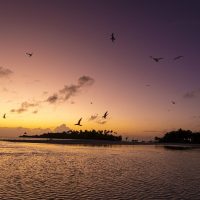
From microplastics to seabirds, and everything in between, Tetiaroa offers new insights on tropical ecosystems for UW Professors and researchers.
Read more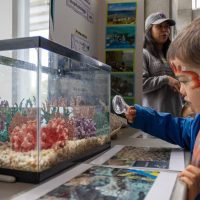
The number of people diving into aquatic sciences during the 2024 Open House on 18 May more than doubled this year, with 1,200 visitors of all ages joining us for a day of hands-on activities.
Read more
Eric Essington, UW Biology senior, has been working on his independent research project in the Roberts Lab for the past year, looking into a familiar hard-shelled mollusk: the oyster. Why? To simulate temperature changes associated with climate change and explore the impact on Pacific oysters.
Read more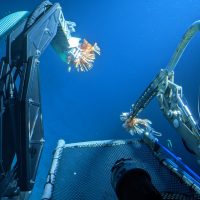
In a lot of ways, deep reefs are understudied. Too deep for divers to reach and only accessible by submarines, this zone of ocean habitat is often overlooked. We spoke to SAFS master’s student, Sarah Yerrace, about her research focused on one thing in particular: lionfish.
Read more
As part of a video series profiling the science and scientists behind some of the environment’s most unexpected research, Grist visited the Wood Lab at SAFS, to find out about Chelsea Wood’s parasite research.
Read more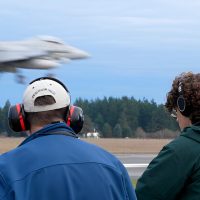
According to new research published by SAFS grad student, Giordano Jacuzzi, military aircraft noise from Naval Air Station Whidbey Island presents a substantial risk to public health.
Read more
SAFS Assistant Professor, Jessica Gephart, speaks to KUOW’s Kim Malcolm about her research and why seafood choices matter.
Read more
The Daily UW features the degrees offered at SAFS, which is centered on the belief that students must experience the environments and species they’re studying.
Read more
Chris Mantegna writes a Nature World View piece, saying amid the data deluge provided by lab-based techniques, such as environmental-DNA analysis, true connection still comes only in the outdoors.
Read more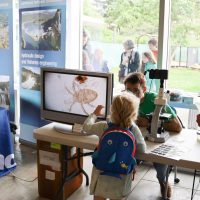
Bringing aquatic science to life for the people of Seattle for the sixth time, the UW Aquatic Sciences Open House returns for a free, family-friendly day of fun on Saturday 18 May. Open to everyone – from toddlers to teenagers to adults – we’re showcasing the amazing breadth of wet sciences at the University of Washington.
Kicking off at 10am, we’ve got fan favorites like exploring the live aquarium tanks which are home starfish, telling the difference between native versus invasive crabs, and peering through microscopes to see tiny marine organisms.