2026 Bevan Symposium Celebrates the Careers of Federal Fisheries Professionals
The 2026 Bevan Symposium on Sustainable Fisheries celebrated the careers and successes of recently retired NOAA Fisheries professionals. Ten individuals from around the country visited the School to reflect on their careers, their accomplishments, and the future of the fisheries in the U.S.
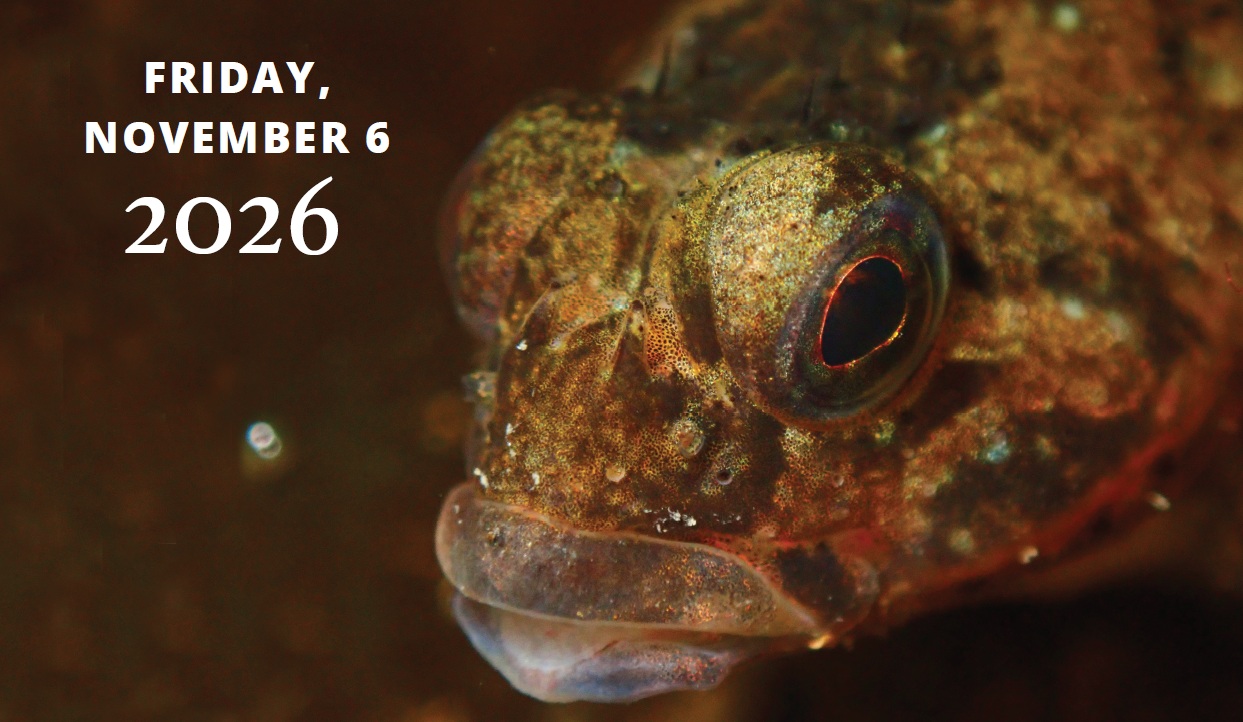
Showcase your research at the next SAFS Graduate Student Symposium
The 37th Annual Graduate Student Symposium (GSS) will be held on Friday, November 6th, 2026, from 9am to 4pm in FSH 107, with a poster session and reception beginning at 4pm in the FSH lobby.
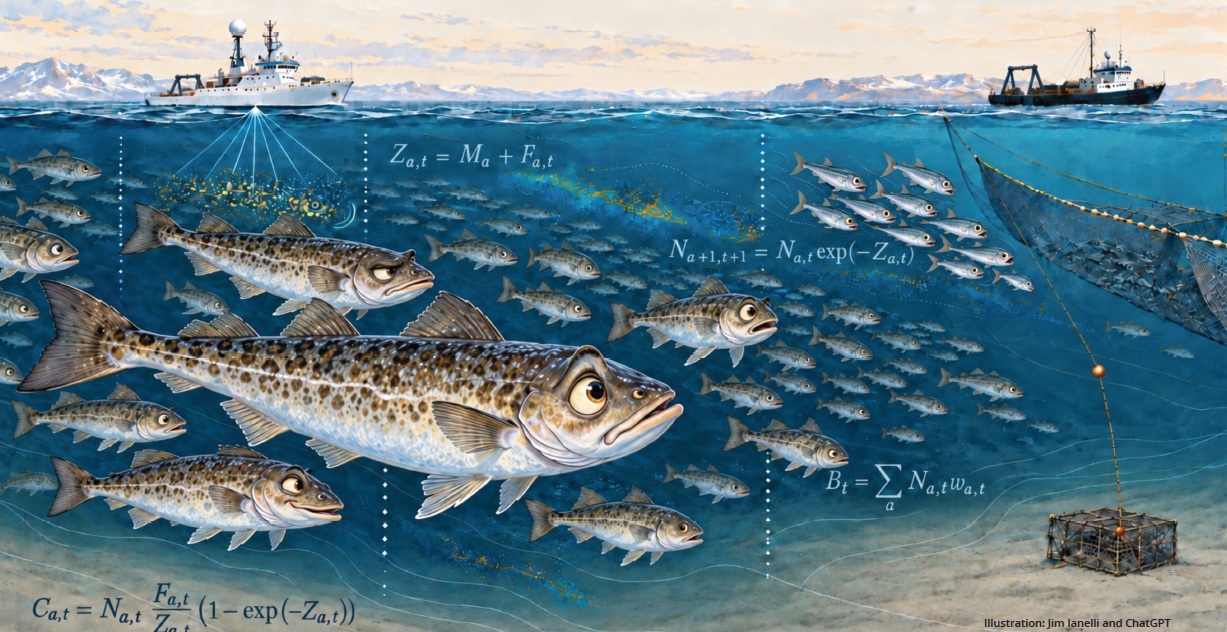
2026 Preview of the Eastern Bering Sea Pollock Stock Assessment
Join us for the 2026 Preview of the Eastern Bering Sea Pollock Stock Assessment, held live on Tuesday, November 10th at 4pm.
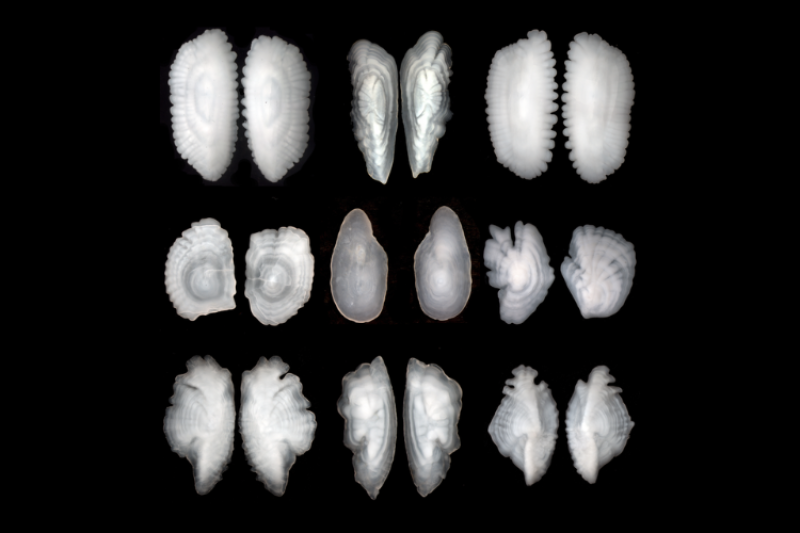
2.5 Million Perfect Little Time Capsules of Ocean Chemistry
NOAA Fisheries recently featured the University of Washington’s 2.5-million-pair otolith archive, housed in the UW Fish Collection through a longstanding partnership involving the Burke Museum and the School of Aquatic and Fishery Sciences (SAFS). The story highlights the collection’s role in fisheries research and features Katherine Maslenikov, Ichthyology Collections Manager, who discusses the value of the archive for documenting fish populations and changes in ocean conditions over time.
Explore our programs
SAFS students work alongside talented peers and faculty to engage in a rigorous and inclusive learning environment. Join us to connect with some of the best minds and immerse yourself in cutting-edge scientific research.
Meet our Faculty
Our faculty are committed leaders with broad academic expertise and interests. With access to a network of local, national and international leaders, we contribute influential research on topics ranging from organisms, populations, ecosystems, to human users of aquatic ecosystems.