Filter Results
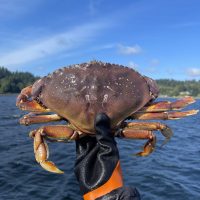
A collaborative network of agency and tribal scientists and resource managers, university faculty and students, and community volunteers are diligently working together to unlock the secrets of the Dungeness crab’s life cycle in the Salish Sea. The Pacific Northwest Crab Research Group (PCRG) is leading this unprecedented effort, generating vital data and fostering robust relationships to ensure the long-term sustainability of this ecologically, economically and culturally-important species.
Read more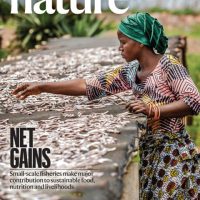
Small-scale fisheries play a significant but overlooked role in global fisheries production and are key to addressing hunger and malnutrition while supporting livelihoods around the world, according to research featured in Nature in Jan. 2025. The study was published by an international team of scientists, including Professor Chris Anderson from the UW SAFS.
Read more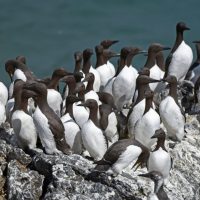
A University of Washington citizen science program — which trains coastal residents to search local beaches and document dead birds — has contributed to a new study, led by federal scientists, documenting the devastating effect of warming waters on common murres in Alaska.
Read more
Mark Scheuerell, SAFS Professor, has been named as an ASLO 2024 Sustaining Fellow, part of a cohort recognized for their sustained excellence in their contributions to ASLO and the aquatic sciences. ASLO is the Association for the Sciences of Limnology and Oceanography.
Read more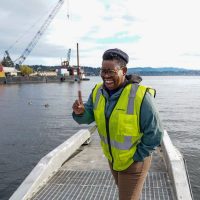
Logs are being adjusted and plans are in place for floating gardens to be deployed into the cove of Be’er Sheva Park in South Seattle. The goal is to bolster fish habitat as part of a larger project to rejuvenate a Lake Washington beach that serves historically Black and diverse neighborhoods. SAFS PhD student, Ashley Townes, is leading the project, featured in a story by KUOW.
Read moreJulian Olden selected to serve on The Nature Conservancy’s inaugural External Science Advisory Board
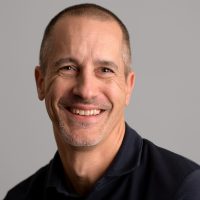
Julian Olden, a Professor at the UW School of Aquatic and Fishery Sciences (SAFS), has been chosen as one of 10 scientists to serve on the inaugural External Science Advisory Board (ESAB) for The Nature Conservancy (TNC).
Read more
Chelsea Wood, SAFS Associate Professor, has an upcoming children’s book titled “Power to the Parasites! Everything You (N)ever Wanted to Know About the Creepy Crawlies Hidden in Your Home, Your Food, Your Pets – and Maybe Even in You!” The book introduces kids to the world of parasitism.
Read more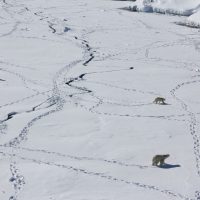
Polar bears in some parts of the high Arctic are developing ice buildup and related injuries to their feet, apparently due to changing sea ice conditions in a warming Arctic. While surveying the health of two polar bear populations, researchers led by Kristin Laidre from UW SAFS, found lacerations, hair loss, ice buildup and skin ulcerations primarily affecting the feet of adult bears as well as other parts of the body.
Read more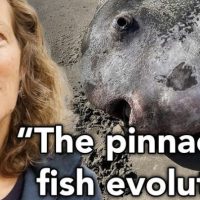
In a new video created by the Burke Museum, Fish Collections Manager Katherine Maslenikov takes us behind the scenes of the Burke Museum to answer questions about the giant bizarre Sunfish washing up on the shores of Oregon
Read more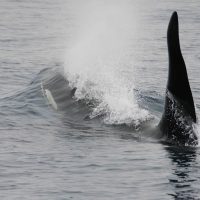
A team led by researchers at the University of Washington and the National Oceanic and Atmospheric Administration has uncovered key information about what resident killer whale populations are eating. Researchers had long known that resident killer whales prefer to hunt fish, particularly salmon. But some populations thrive, while others have struggled.
Read more