Filter Results
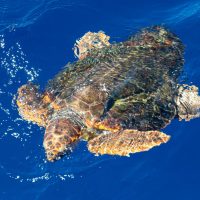
Many nations are calling for protection of 30% of the world’s oceans by 2030 from some or all types of exploitation, including fishing. Building off this proposal, a new analysis led by the University of Washington looks at how effective fishing closures are at reducing accidental catch. Researchers found that permanent marine protected areas are a relatively inefficient way to protect marine biodiversity that is accidentally caught in fisheries. Dynamic ocean management — changing the pattern of closures as accidental catch hotspots shift — is much more effective.
Read more
Professor Chris Anderson’s new research published in Frontiers in Marine Science explores the different social and economic impacts and pathways through which the MSC Certification Program can lead to sustainable outcomes for our oceans.
Read more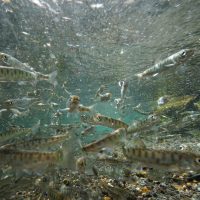
“We’re basically asking if wild fish feel ‘peer pressure’ from hatchery fish to migrate,” said Dr. Berdahl. “Hatchery production is common throughout the Pacific Northwest, so the findings could improve salmon conservation broadly.”
Read more
Filmed over the course of the summer and fall of 2021, Jason Ching and Professor Daniel Schindler from the University of Washington’s Alaska Salmon Program recently released a short film on the salmon habitats of southwest Alaska. Mosaic: The Salmon Wilderness of Bristol Bay, Alaska showcases the region’s pristine streams, rivers, lakes, and wetlands and how they sustain its vast sockeye salmon runs.
Read more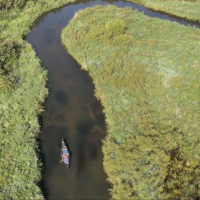
Future Rivers invites you to a special film screening on October 14th of the documentary, River to the Heart (105m), followed by a conversation with the director, Eddy Harris, author of Mississippi Solo. This documentary charts Eddy’s adventures as a lone Black man canoeing 2,318 miles down the entirety of the Mississippi River.
Read more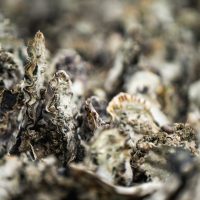
Jacqueline Padilla-Gamiño, along with researchers from NOAA’s Northwest Fisheries Science Center and Baywater Shellfish Farms, will examine the impacts of stressors on shellfish as part of a new project funded by the NOAA Sea Grant and the Ocean Acidification Program.
Read more about the other projects funded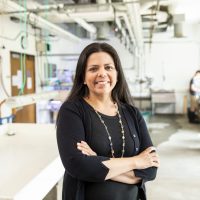
SAFS Assistant Professor Jacqueline Padilla-Gamiño was recently named the recipient of a National Science Foundation (NSF) CAREER award. This prestigious award will support Padilla-Gamiño’s research to explore how changing oceans and plastic pollution will impact coral reef ecosystems; it will also support continued education and outreach initiatives with citizens, teachers and grade school students in Hawaii.
Read more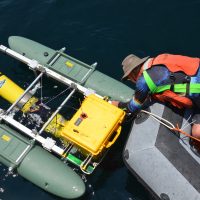
In July, Professor John Horne eagerly returned to the field after more than a year of pandemic related delays. As part of a multi-institutional science team, John set sail aboard the R/V Point Sur from Gulfport, Mississippi, testing new technologies to study deeper waters of the Gulf of Mexico in more detail. This voyage was also the first opportunity for John and his team to deploy the new glider technology they have been developing.
Read more
Each year, our students, faculty, and staff win regional, national, and international awards. Please join us in congratulating this year’s group of award winners!
Read more
September 6, 1926–March 17, 2021
We thank the Liston family and SAFS faculty and students for their contributions to this memoriam. Some content was adapted from the Seattle Times obituary published on May 16, 2021.
Read more